

Introduction Choosing the right doctor is one of the most important healthcare decisions you will make, yet many people put surprisingly little thought into it beyond convenience of location. Finding the Best general physician in UAE means looking at factors well beyond proximity, especially if you may eventually need referral to a trusted General surgery clinic in Dubai. This blog walks through what genuinely matters when making this choice. Why Your Primary Doctor Relationship Matters So Much A good primary care physician becomes familiar with your health history over time, noticing subtle changes and patterns that a new doctor seeing you for the first time might miss. This continuity of care is one of the most valuable, and often underrated, aspects of a strong doctor-patient relationship. Over years of visits, this familiarity allows a physician to distinguish between your normal baseline and genuinely concerning changes, which is something a brand-new provider simply cannot replicate on a first visit. What Should I Consider When Choosing the Best General Physician in the UAE This is exactly the right question to explore thoroughly. What should I consider when choosing the best general physician in the UAE includes their communication style, how thoroughly they explain diagnoses and treatment options, their availability for follow-up questions, and whether they take a genuinely preventive approach rather than just treating symptoms as they appear. It also helps to consider practical factors like appointment availability, whether the clinic offers convenient hours for your schedule, and how effectively the practice handles referrals when specialist care becomes necessary. Reading reviews from other patients, while not the only factor, can also reveal patterns about a physician’s communication style and bedside manner that are hard to assess from a single visit. Who Is the Best General Physician in the UAE for Regular Checkups Many people specifically ask who is the best general physician in the UAE for regular checkups, since ongoing preventive care differs somewhat from urgent, one-off consultations. A physician well-suited for regular checkups should proactively track screening schedules, vaccination needs, and lifestyle risk factors over time, rather than only addressing whatever concern brought you in that day. This proactive style of care often catches emerging issues, such as gradually rising blood pressure or early signs of diabetes, well before they become serious enough to cause noticeable symptoms. When You Might Need a General Surgery Clinic in Dubai Sometimes a primary care visit reveals a condition requiring surgical evaluation, whether for a hernia, gallbladder issue, or another common surgical concern. Having a trusted relationship with a general surgery clinic in Dubai that your primary physician can confidently refer you to smooths this transition considerably, reducing anxiety during an already stressful time. A well-coordinated referral also means your surgical team receives your complete medical history directly from your primary physician, reducing the need for repeated tests and paperwork. Questions Worth Asking a Potential Doctor How do you typically handle urgent questions between scheduled appointments? What is your general philosophy on preventive versus reactive care? Which specialists do you typically refer patients to, and why? How much time is usually allotted per appointment? How do you keep track of my ongoing health history over time? Building a Lasting Healthcare Relationship Once you find a physician who genuinely fits your needs, staying with that relationship consistently over the years pays real dividends in the quality and continuity of your care. Frequent switching between doctors often means starting from scratch with your medical history each time, which can genuinely impact the quality of care you receive. This is especially true for managing chronic conditions, where a physician’s familiarity with your specific baseline health makes it far easier to notice meaningful changes over time. Many patients underestimate how much this continuity contributes to catching problems early, since a familiar doctor is simply better positioned to notice when something is genuinely different from your normal pattern. What a Strong Doctor Relationship Looks Like Day to Day In practice, a strong relationship with your primary physician means feeling comfortable raising even minor concerns, receiving clear explanations you genuinely understand, and trusting that your doctor takes the time to consider your full health picture rather than treating each visit in isolation. This trust becomes especially valuable during more complex health decisions, where having a doctor who genuinely knows you helps guide choices that fit your specific circumstances rather than generic recommendations. Conclusion Choosing the Best general physician in UAE is a decision worth taking seriously, since this relationship forms the foundation of your ongoing healthcare. Zen Life Clinic offers experienced primary care alongside trusted connections to a reliable General surgery clinic in Dubai, ensuring your care remains coordinated and consistent whenever specialist treatment becomes necessary.
How Modern Dental Technology Is Changing What’s Possible in Treatment
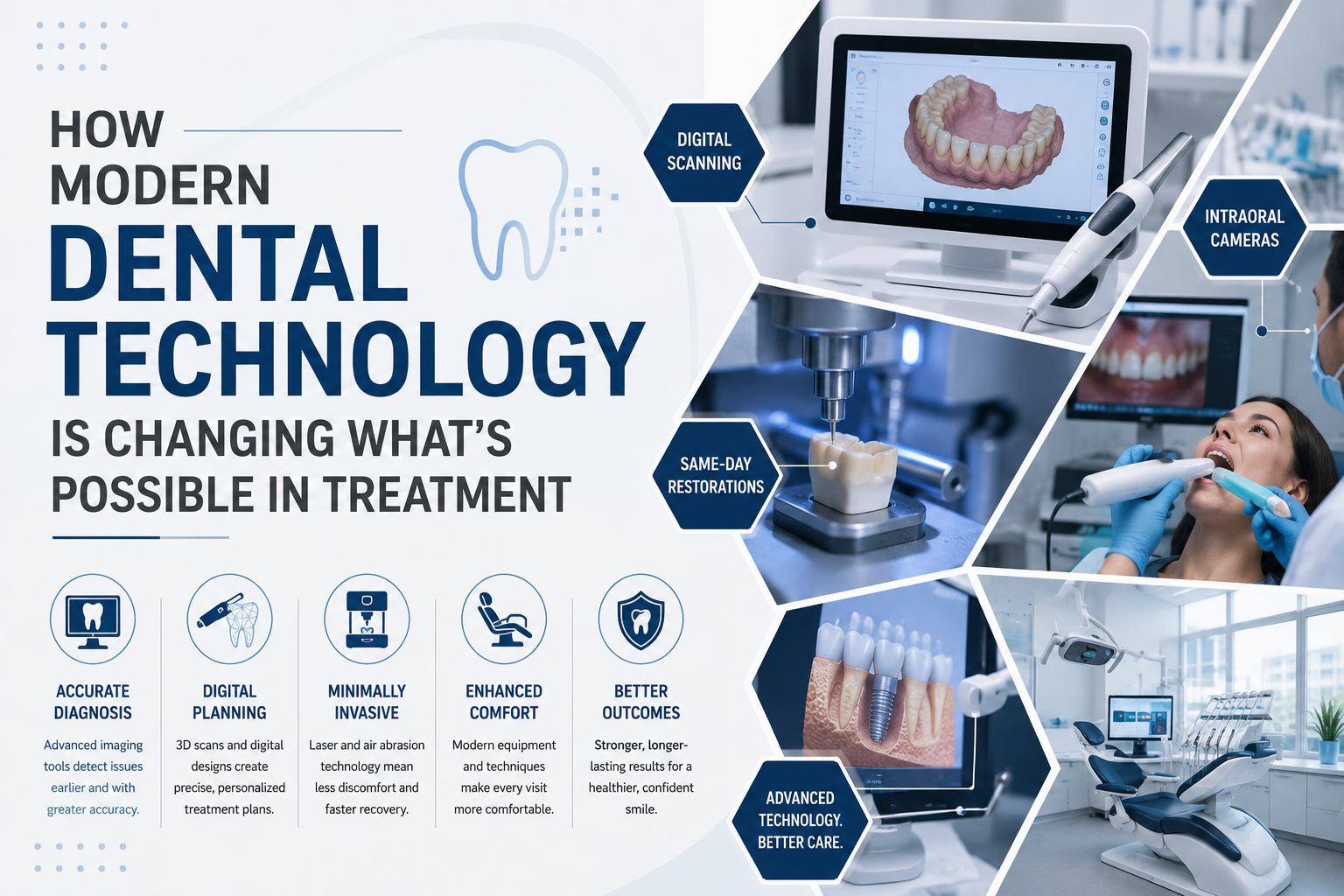
Introduction Dentistry has changed dramatically over the past decade, and patients today benefit from tools and techniques that simply did not exist a generation ago. Choosing an Advanced dental care clinic in UAE means gaining access to these innovations, which often translate into faster, more comfortable, and more precise treatment. This blog explores how modern technology has genuinely reshaped what Dental treatment in Dubai can achieve for patients of every age, from routine checkups through complex restorative work. Understanding these advances helps patients make more informed choices about where to seek care and what to expect from a visit. Digital Imaging That Reveals More, Faster Traditional X-rays have largely given way to digital imaging systems that produce clearer pictures with significantly less radiation exposure. These images can be viewed instantly on screen, allowing dentists to explain findings directly to patients in real time rather than waiting for film to develop. Three-dimensional imaging technology takes this further, giving dentists a detailed view of tooth roots, jawbone structure, and nerve pathways, that traditional two-dimensional X-rays simply cannot capture. This detailed view proves especially valuable for complex procedures like implant placement or root canal treatment, where precise anatomical knowledge directly affects treatment success. Reduced radiation exposure is also particularly reassuring for patients who need frequent imaging over time, such as those undergoing orthodontic treatment or long-term monitoring. What Advanced Dental Technologies Improve Treatment Outcomes in UAE Clinics Patients often ask what advanced dental technologies improve treatment outcomes in UAE clinics, and the answer spans several areas: digital scanning that eliminates uncomfortable impression materials, laser treatments that reduce discomfort and recovery time, and computer-guided implant placement that improves precision and long-term success rates. Same-day crown technology has also transformed what used to require multiple visits into a single appointment, using digital scanning and in-house milling to produce a custom crown while the patient waits. This kind of efficiency genuinely matters for busy patients who cannot easily fit multiple dental visits into their schedule over several weeks. How Technology Improves the Patient Experience Beyond clinical outcomes, modern technology has made visiting the dentist considerably more comfortable for many patients. Digital scanners have replaced messy impression trays, numbing techniques have become more precise and comfortable, and treatment planning software allows patients to see a visual preview of expected results before treatment even begins. This visual preview capability has proven especially valuable for cosmetic procedures, where patients can now see approximately how their smile will look before committing to treatment. Which Advanced Dental Care Clinic in the UAE Uses the Latest Technology Naturally, many patients want to know which advanced dental care clinic in the UAE uses the latest technology before booking an appointment. Looking for clinics that openly discuss their equipment and techniques, rather than vague marketing claims, is usually the most reliable way to identify genuinely well-equipped practices. Asking to see or learn about specific equipment during a consultation, rather than accepting general reassurances, gives a much clearer picture of what a clinic actually offers. Technologies Worth Asking About Digital X-ray and 3D cone beam imaging systems. Intraoral scanners that eliminate traditional dental impressions. Laser dentistry for gum treatments and certain procedures. Computer-guided implant planning and placement. Same-day crown milling technology. Digital smile design software for cosmetic treatment planning. Why This Progress Matters for Long-Term Oral Health These technological advances are not just about convenience. Earlier and more accurate detection of issues, combined with more precise treatment, genuinely improves long-term outcomes, helping patients avoid more invasive procedures down the line by catching problems while they are still small and manageable. Patients who choose clinics investing in modern technology often find they need fewer follow-up visits and experience faster healing times, since precision equipment reduces the guesswork involved in diagnosis and treatment planning. Over a lifetime of dental care, these small efficiencies add up to considerably less time spent in the dental chair overall. What to Expect During a Modern Dental Visit A visit to a technologically advanced clinic today looks quite different from dental appointments of the past. Expect digital check-in processes, quick and comfortable imaging, and a treatment discussion supported by visual aids that help you genuinely understand your own oral health rather than relying purely on verbal explanations. Many patients report feeling more confident about their treatment decisions once they can actually see the issue being discussed on screen, rather than simply taking a dentist’s word for a diagnosis they cannot visualize themselves. Conclusion Modern dental technology has fundamentally changed what patients can expect from a visit to the dentist, making treatment faster, more comfortable, and more precise than ever before. If you are searching for an Advanced dental care clinic in UAE, Zen Life Clinic brings these innovations together to deliver genuinely modern Dental treatment in Dubai for patients seeking the best possible care available today.
Diabetes Treatment in Dubai: Managing Your Condition with the Right Care
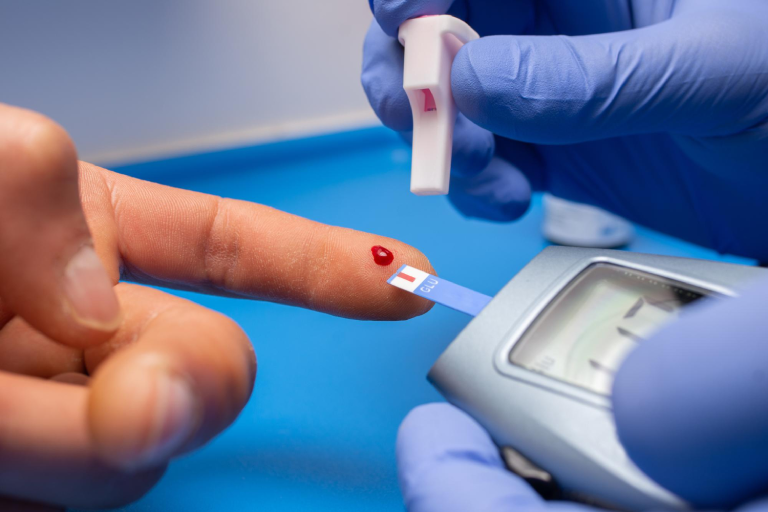
Introduction Diabetes is one of the most prevalent chronic conditions in the UAE. The country has one of the highest rates of Type 2 diabetes in the world, driven by a combination of genetic predisposition, dietary patterns, sedentary lifestyle, and high rates of obesity. Managing diabetes effectively requires more than just taking medication — it demands a comprehensive, personalised approach that addresses diet, exercise, monitoring, and regular medical review. If you are looking for expert Diabetes treatment in Dubai or searching for the best general physician in Dubai to manage your diabetes, this guide explains what effective diabetes care involves and how to access it. Understanding the Types of Diabetes Type 1 diabetes: An autoimmune condition in which the body’s immune system destroys the insulin-producing beta cells of the pancreas. People with Type 1 diabetes require insulin therapy from diagnosis and need specialist endocrinology support. It typically presents in childhood or young adulthood. Type 2 diabetes: By far the most common form, representing approximately 90% of all diabetes cases. In Type 2, the body either does not produce enough insulin or does not use it effectively (insulin resistance). Initially managed with lifestyle changes and oral medications, Type 2 diabetes may eventually require insulin therapy. Gestational diabetes: Diabetes that develops during pregnancy, requiring careful monitoring and management to protect both the mother and the baby. Usually resolves after delivery but increases the risk of developing Type 2 diabetes later in life. Pre-diabetes: Blood glucose levels that are higher than normal but below the threshold for a diabetes diagnosis. A critical window where lifestyle intervention can prevent or significantly delay progression to Type 2 diabetes. Comprehensive Diabetes Management: What It Involves Effective Diabetes treatment in Dubai goes far beyond prescribing medication and sending the patient home. Comprehensive diabetes care involves: Blood Sugar Monitoring and HbA1c Tracking Self-monitoring of blood glucose using a glucometer, or the use of continuous glucose monitoring (CGM) devices, gives patients and their healthcare team real-time and trend data on blood sugar control. The HbA1c test (which reflects average blood sugar over the preceding three months) is the primary measure of long-term glycaemic control and should be checked at every diabetic review appointment. Dietary Management Nutrition is central to diabetes management. A diet that controls carbohydrate quality and quantity, prioritizes low-glycaemic-index foods, limits processed foods and added sugars, and maintains healthy body weight directly improves blood sugar control. Zenlife Clinic’s approach includes dietary counselling tailored to UAE eating habits and cultural food preferences. Physical Activity Regular physical activity improves insulin sensitivity and helps with weight management. Even moderate activity — 30 minutes of brisk walking five days a week — significantly improves glycaemic control in most people with Type 2 diabetes. Medication Management The range of medications available for Type 2 diabetes has expanded dramatically in recent years. Beyond the traditional metformin, newer agents including GLP-1 receptor agonists (such as semaglutide/Ozempic) and SGLT-2 inhibitors offer significant benefits for blood sugar control, weight reduction, and cardiovascular and kidney protection. The right medication regimen is individualized based on your blood sugar levels, weight, cardiovascular risk, kidney function, and personal preferences. Monitoring for Complications Diabetes, when poorly controlled, can cause serious complications affecting the eyes (diabetic retinopathy), kidneys (diabetic nephropathy), nerves (diabetic neuropathy), and blood vessels (cardiovascular disease and peripheral arterial disease). Annual review at Zenlife Clinic includes: Eye examination for retinopathy Urine albumin test for kidney involvement Foot examination for neuropathy and circulation Blood pressure and cholesterol review Cardiovascular risk assessment What Diabetes Management Treatments and Specialists Are Available in Dubai? Dubai has an excellent healthcare infrastructure for diabetes management, including endocrinologists, diabetologists, dietitians, and specialized diabetes education programmes. At Zenlife Clinic, general physicians with specialist diabetes expertise manage the majority of patients with Type 2 diabetes, referring to endocrinologists for complex or insulin-requiring cases. What Is the Best Diabetes Treatment Available in Dubai? The best diabetes treatment is the one that achieves good long-term glycaemic control (HbA1c target typically below 7%) while minimizing side effects, protecting cardiovascular and kidney health, and fitting with the patient’s lifestyle and preferences. This requires a personalised approach. Zenlife Clinic’s physicians take this individualized approach to every diabetes patient. Conclusion Diabetes treatment in Dubai at Zenlife Clinic combines expert medical management, lifestyle support, nutritional guidance, and regular monitoring to help you live well with diabetes. Whether you have been newly diagnosed or have been managing diabetes for years and feel your control could be better, the best general physician in Dubai at Zenlife Clinic is ready to help you optimize your diabetes care. Book your diabetes review today.
Hair Loss Treatment in UAE: When to See a Specialist and What to Expect
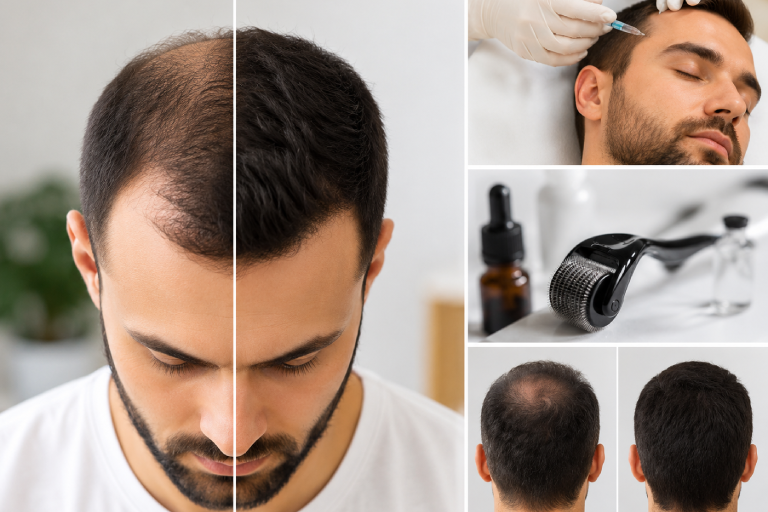
Introduction Hair loss is among the most emotionally distressing conditions a person can experience. It affects self-image, confidence, and quality of life in ways that go far beyond the purely physical. In the UAE, hair loss is common across all demographic groups, influenced by factors including genetics, hormonal changes, nutritional deficiencies, stress, and the environmental conditions specific to the region. If you are experiencing hair thinning or loss, knowing when to seek professional help at a Dermatology clinic in UAE and what Hair loss treatment in UAE options are available is the first step toward addressing the problem effectively. Common Causes of Hair Loss Understanding the cause of your hair loss is the most important step in treating it effectively. The most frequent causes include: Androgenetic alopecia (male and female pattern baldness): The most common cause of hair loss worldwide, caused by sensitivity of hair follicles to DHT (dihydrotestosterone), a hormone derived from testosterone. In men, this typically produces recession at the temples and thinning at the crown. In women, it usually causes diffuse thinning across the top of the scalp. Telogen effluvium: A diffuse, temporary hair shedding triggered by physical or emotional stress, significant illness, surgery, dramatic weight loss, or nutritional deficiency. Typically begins two to three months after the triggering event and is usually self-limiting but can become chronic. Alopecia areata: An autoimmune condition causing patchy, often rapid hair loss from the scalp or body. Can progress to complete scalp hair loss (alopecia totalis) or complete body hair loss (alopecia universalis) in severe cases. Nutritional deficiency: Iron deficiency, vitamin D deficiency, zinc deficiency, and protein insufficiency are all associated with hair loss and are more common in the UAE than many people realise. Thyroid disease: Both hypothyroidism and hyperthyroidism can cause diffuse hair thinning. Hormonal changes: Postpartum hair loss (telogen effluvium following childbirth) and hair changes associated with polycystic ovary syndrome (PCOS) are common in women. When to See a Specialist You should see a specialist at a dermatology clinic in the UAE if: Your hair loss is noticeable, progressive, or distressing you You are losing hair in patches Hair loss is accompanied by scalp symptoms (itching, burning, or tenderness) You have a family history of significant hair loss and want to begin preventive treatment Over-the-counter products have not produced noticeable improvement after three to six months What Are the Most Recommended Hair Loss Treatment Options in UAE Dermatology Clinics? For androgenetic alopecia (male): Oral finasteride (reduces DHT levels, highly effective at slowing progression) Topical minoxidil (improves blood supply to follicles and prolongs the growth phase) PRP (Platelet Rich Plasma) injections — uses your own growth factors to stimulate follicle activity Hair transplantation (FUE — Follicular Unit Extraction) for advanced cases For androgenetic alopecia (female): Topical minoxidil (approved for women) Hormonal therapy (anti-androgens in appropriate cases) PRP injections Low-level laser therapy (LLLT) For telogen effluvium: Identification and correction of the triggering cause (nutritional supplementation if deficient, stress management, treatment of underlying illness) PRP injections to accelerate recovery Topical minoxidil as short-term support For alopecia areata: Corticosteroid injections into affected areas (most effective first-line treatment) Topical corticosteroids Newer JAK inhibitor oral medications for severe cases What Is the Best Hair Loss Treatment Available in the UAE? The best treatment depends entirely on the cause of your hair loss. This is why a proper diagnosis — with blood tests, clinical examination, and if needed, scalp biopsy — is essential before starting any treatment. Zenlife Clinic’s dermatology team provides comprehensive hair loss assessment and personalised treatment planning to address the specific cause of your hair loss. Conclusion Hair loss treatment in UAE is most effective when started early, based on accurate diagnosis, and tailored to the specific cause and type of hair loss. Zenlife Clinic’s Dermatology clinic in UAE team provides the diagnostic expertise and full treatment spectrum needed to address hair loss at its source. Book your hair loss assessment at Zenlife Clinic today.

Acne Treatment in Dubai: Effective Dermatology Solutions That Work
Introduction Acne is far more than a cosmetic concern. For the millions of people who experience it from teenagers dealing with their first breakouts to adults struggling with persistent or cystic acne it can significantly affect self-confidence, professional life, social interactions, and mental wellbeing. Dubai’s year-round heat and humidity can exacerbate acne for many residents. If you are searching for effective Acne treatment in Dubai, working with a qualified Dermatologist in Dubai provides access to the full range of medical and advanced treatment options that truly work, rather than relying on over-the-counter products that frequently disappoint. This guide explains the most effective dermatological treatments for acne available in Dubai today. Understanding the Types of Acne Before exploring treatment options, it is helpful to understand the different types of acne, as treatment selection depends heavily on the type and severity of your condition. Non-inflammatory acne: Comedones (blackheads and whiteheads) blocked pores without significant inflammation. Often responds well to topical retinoids and proper skin cleansing. Inflammatory acne: Papules and pustules the red, sometimes pus-filled spots that most people associate with acne. Requires targeted antibacterial and anti-inflammatory treatment. Cystic and nodular acne: The most severe form, characterized by large, painful, deep-rooted lesions that rarely respond to topical treatment alone and can cause significant scarring. Often requires systemic (oral) medication. Adult acne: Acne affecting adults over 25, often with a hormonal component and typically presenting along the jaw, chin, and lower cheeks. Hormonal assessment and targeted treatment are important. Acne scarring: Permanent skin changes resulting from previous inflammatory acne, including ice-pick scars, rolling scars, boxcar scars, and post-inflammatory hyperpigmentation (dark marks). Requires specific cosmetic and laser treatments separate from active acne management. Where can I get the best acne treatment in Dubai? Topical Treatments (Prescription-Grade) Prescription topical treatments are more effective than over-the-counter options because they contain higher concentrations of active ingredients and are formulated for medical use. Topical retinoids (tretinoin, adapalene): The gold standard for acne management. Retinoids normalize skin cell turnover, prevent the formation of comedones, and reduce inflammation. They also improve skin texture and reduce hyperpigmentation with regular use. Topical antibiotics (clindamycin, erythromycin): Usually combined with benzoyl peroxide to prevent resistance. Target the bacteria that contribute to inflammatory acne. Azelaic acid: Effective for both active acne and post-inflammatory hyperpigmentation. Particularly useful for patients with darker skin tones who are at greater risk of pigmentation changes. Oral Medications Oral antibiotics: For moderate to severe inflammatory acne, oral antibiotics (typically doxycycline or lymecycline) are prescribed for a course of typically three to six months. Always combined with topical treatment. Isotretinoin (Roaccutane/Accutane): The most powerful acne treatment available, reserved for severe or treatment-resistant cystic acne. Isotretinoin is a retinoid taken orally that dramatically reduces sebum production. It requires medical supervision, regular monitoring blood tests, and pregnancy prevention for female patients. For the right patient, it can produce permanent or near-permanent resolution of acne. Hormonal therapy (combined oral contraceptive pill, spironolactone): For women with hormonally-driven acne, anti-androgen hormonal treatment can be highly effective when combined with standard acne therapy. Clinic-Based Treatments Chemical peels: Salicylic acid, glycolic acid, or TCA peels exfoliate the skin surface, unblock pores, reduce inflammation, and improve post-acne pigmentation. A course of peels combined with topical treatment produces excellent results for comedonal and mild-moderate inflammatory acne. Laser and light therapies: IPL (Intense Pulsed Light) and PDT (Photodynamic Therapy) target the bacteria and sebaceous glands responsible for acne, providing clinical improvement in active acne alongside improvement in texture and tone. Acne scar treatment: Once active acne is controlled, scar treatment can begin. Options include microneedling, fractional laser resurfacing, subcision, dermal fillers for depressed scars, and chemical peels for surface irregularities. What Are the Most Effective Dermatology Treatments for Acne Available in Dubai? For mild to moderate acne, a combination of prescription topical retinoid and antibiotic, combined with professional clinic treatments, typically produces excellent results within three to four months. For severe or cystic acne, isotretinoin is the most effective option available and can achieve lasting clearance. For acne scarring, fractional laser combined with microneedling delivers the most significant improvement in scar appearance. Conclusion Effective Acne treatment in Dubai is available for every type and severity of acne but the right treatment must be selected by a qualified Dermatologist in Dubai after a proper assessment. Zenlife Clinic’s dermatology team provides personalised acne treatment plans that address your specific acne type, skin type, and goals. Book your dermatology consultation at Zenlife Clinic today and start your journey to clearer, healthier skin.

Finding the Best Pediatrician in Dubai: A Parent’s Complete Guide
Introduction Your child’s health is the most important responsibility you carry as a parent. Finding a skilled, compassionate, and experienced Pediatrician in Dubai is one of the most significant healthcare decisions you will make for your family. With so many options available across Dubai’s diverse and well-developed healthcare system, knowing how to identify the best child specialist doctor in UAE requires clear criteria and a practical approach. This guide gives parents the information they need to make a confident, well-informed choice. What Does a Paediatrician Do? A paediatrician is a medical doctor who specializes in the health, development, and wellbeing of children from birth through to their teenage years (typically up to age 18). Their scope of care covers: Preventive care: Well-child checkups, developmental assessments, growth monitoring, and vaccination Acute illness management: Diagnosing and treating common childhood illnesses including infections, respiratory problems, digestive disorders, and fever Chronic disease management: Long-term care for conditions like asthma, type 1 diabetes, epilepsy, eczema, and developmental disorders Developmental monitoring: Assessing language, motor, social, and cognitive development milestones and identifying any delays or concerns Nutritional guidance: Advising on breastfeeding, weaning, dietary needs, and managing childhood obesity or nutritional deficiencies Mental health awareness: Identifying early signs of anxiety, depression, ADHD, autism spectrum disorder, and other neurodevelopmental conditions How Do I Choose the Right Pediatrician for My Child in Dubai? Choosing the right paediatrician involves more than simply finding the nearest clinic. Consider the following factors: Qualifications and specialization: Look for pediatricians with recognized postgraduate qualifications in pediatrics and relevant sub-specialties if your child has a specific health condition. In Dubai, pediatricians must hold a valid DHA (Dubai Health Authority) medical licence to practice. Experience with your child’s age group: Some pediatricians focus on newborns and infants, others on school-age children or adolescents. Choose a doctor whose experience aligns with your child’s current age and needs. Communication style and approachability: The best pediatricians are skilled not only at treating children medically but at engaging with them in an age-appropriate way that reduces anxiety. They should also be clear, patient, and thorough when communicating with parents. Availability and accessibility: A paediatrician you can reach when your child is unwell is far more valuable than an excellent doctor who is impossible to get an appointment with. Ask about same-day appointment availability for acute illness, after-hours advice, and the clinic’s sick-child protocols. Language capability: Dubai’s multicultural population means that many parents prefer to consult in their mother tongue. Check whether your preferred clinic offers pediatricians who speak your language. Reviews and recommendations: Personal recommendations from other parents in your community and verified online reviews are useful indicators of real-world patient experience. Insurance acceptance: Ensure the clinic and paediatrician accept your health insurance policy to avoid unexpected out-of-pocket costs. Well-Child Checkups: How Often Should You See a Paediatrician? Regular well-child visits are important even when your child appears healthy. These visits allow the paediatrician to monitor growth and development, administer vaccines on the recommended schedule, identify any concerns early, and build a relationship with your child that makes medical visits less stressful. Recommended checkup frequency: Newborn: 1 week, 2 weeks, and 1 month Infancy: 2, 4, 6, 9, and 12 months Toddler years: 15 months, 18 months, 2 years, and 3 years Pre-school and school age: Annually from age 4 onwards Vaccination: A Critical Part of Paediatric Care Dubai follows a national childhood immunization schedule aligned with international recommendations. A good paediatrician keeps meticulous vaccination records, explains each vaccine clearly to parents, and follows up on any missed doses. Parents who have questions about vaccination safety should feel comfortable raising these with their paediatrician, who can provide evidence-based guidance. Which Is the Best Pediatrician in Dubai for Young Children? The best paediatrician is the one who listens to your concerns, explains clearly, follows international clinical guidelines, and makes both your child and you feel comfortable and well-cared-for. Zenlife Clinic’s pediatric team in Dubai consists of qualified, experienced child specialists committed to providing comprehensive, compassionate care from newborn to adolescence. Conclusion Finding the right Pediatrician in Dubai is a decision that will shape your child’s health experience for years. By focusing on qualifications, communication, availability, and reputation, you can identify the best child specialist doctor in UAE for your family’s needs. Zenlife Clinic offers experienced, caring pediatric consultations in a child-friendly environment. Contact us today to book your child’s appointment.