Introduction
Acne is far more than a cosmetic concern. For the millions of people who experience it from teenagers dealing with their first breakouts to adults struggling with persistent or cystic acne it can significantly affect self-confidence, professional life, social interactions, and mental wellbeing. Dubai’s year-round heat and humidity can exacerbate acne for many residents. If you are searching for effective Acne treatment in Dubai, working with a qualified Dermatologist in Dubai provides access to the full range of medical and advanced treatment options that truly work, rather than relying on over-the-counter products that frequently disappoint. This guide explains the most effective dermatological treatments for acne available in Dubai today.
Understanding the Types of Acne
Before exploring treatment options, it is helpful to understand the different types of acne, as treatment selection depends heavily on the type and severity of your condition.
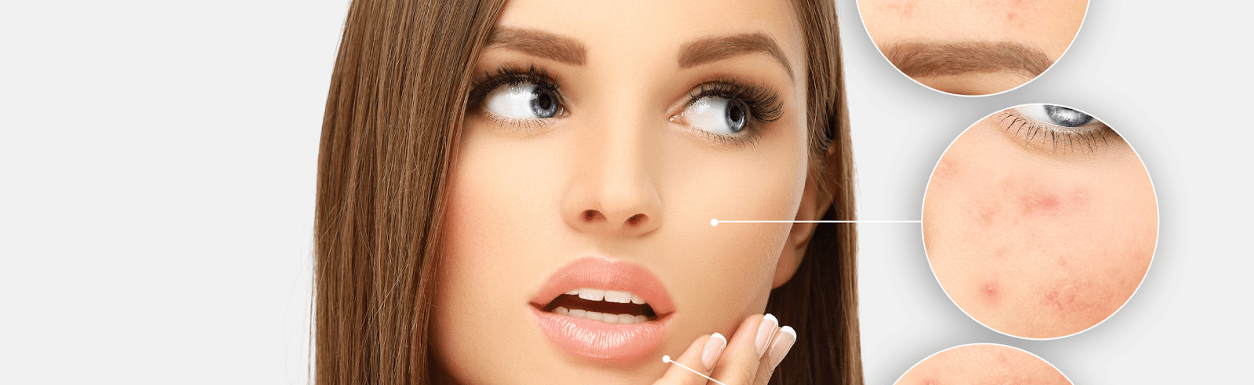
- Non-inflammatory acne: Comedones (blackheads and whiteheads) blocked pores without significant inflammation. Often responds well to topical retinoids and proper skin cleansing.
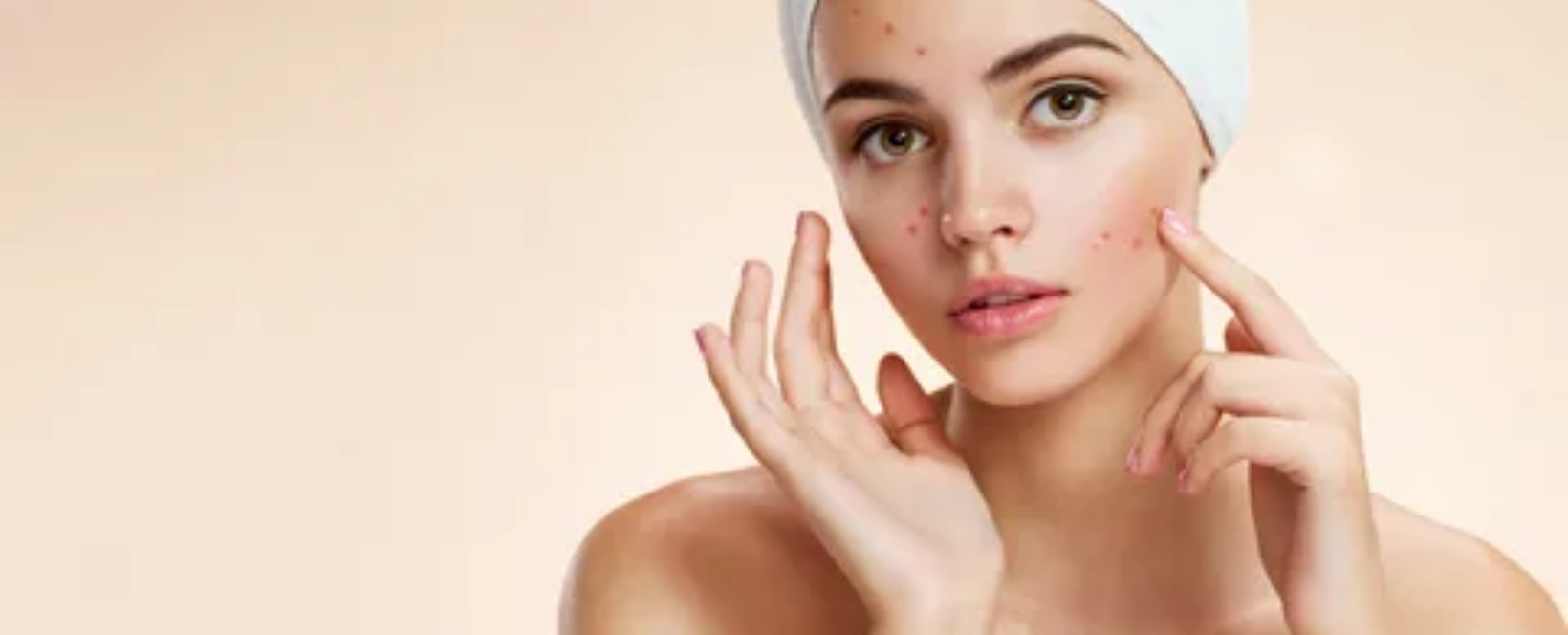
- Inflammatory acne: Papules and pustules the red, sometimes pus-filled spots that most people associate with acne. Requires targeted antibacterial and anti-inflammatory treatment.
- Cystic and nodular acne: The most severe form, characterized by large, painful, deep-rooted lesions that rarely respond to topical treatment alone and can cause significant scarring. Often requires systemic (oral) medication.
- Adult acne: Acne affecting adults over 25, often with a hormonal component and typically presenting along the jaw, chin, and lower cheeks. Hormonal assessment and targeted treatment are important.
- Acne scarring: Permanent skin changes resulting from previous inflammatory acne, including ice-pick scars, rolling scars, boxcar scars, and post-inflammatory hyperpigmentation (dark marks). Requires specific cosmetic and laser treatments separate from active acne management.
Where can I get the best acne treatment in Dubai?
Topical Treatments (Prescription-Grade)
- Prescription topical treatments are more effective than over-the-counter options because they contain higher concentrations of active ingredients and are formulated for medical use.
- Topical retinoids (tretinoin, adapalene): The gold standard for acne management. Retinoids normalize skin cell turnover, prevent the formation of comedones, and reduce inflammation. They also improve skin texture and reduce hyperpigmentation with regular use.
- Topical antibiotics (clindamycin, erythromycin): Usually combined with benzoyl peroxide to prevent resistance. Target the bacteria that contribute to inflammatory acne.
- Azelaic acid: Effective for both active acne and post-inflammatory hyperpigmentation. Particularly useful for patients with darker skin tones who are at greater risk of pigmentation changes.
Oral Medications
- Oral antibiotics: For moderate to severe inflammatory acne, oral antibiotics (typically doxycycline or lymecycline) are prescribed for a course of typically three to six months. Always combined with topical treatment.
- Isotretinoin (Roaccutane/Accutane): The most powerful acne treatment available, reserved for severe or treatment-resistant cystic acne. Isotretinoin is a retinoid taken orally that dramatically reduces sebum production. It requires medical supervision, regular monitoring blood tests, and pregnancy prevention for female patients. For the right patient, it can produce permanent or near-permanent resolution of acne.
- Hormonal therapy (combined oral contraceptive pill, spironolactone): For women with hormonally-driven acne, anti-androgen hormonal treatment can be highly effective when combined with standard acne therapy.
Clinic-Based Treatments
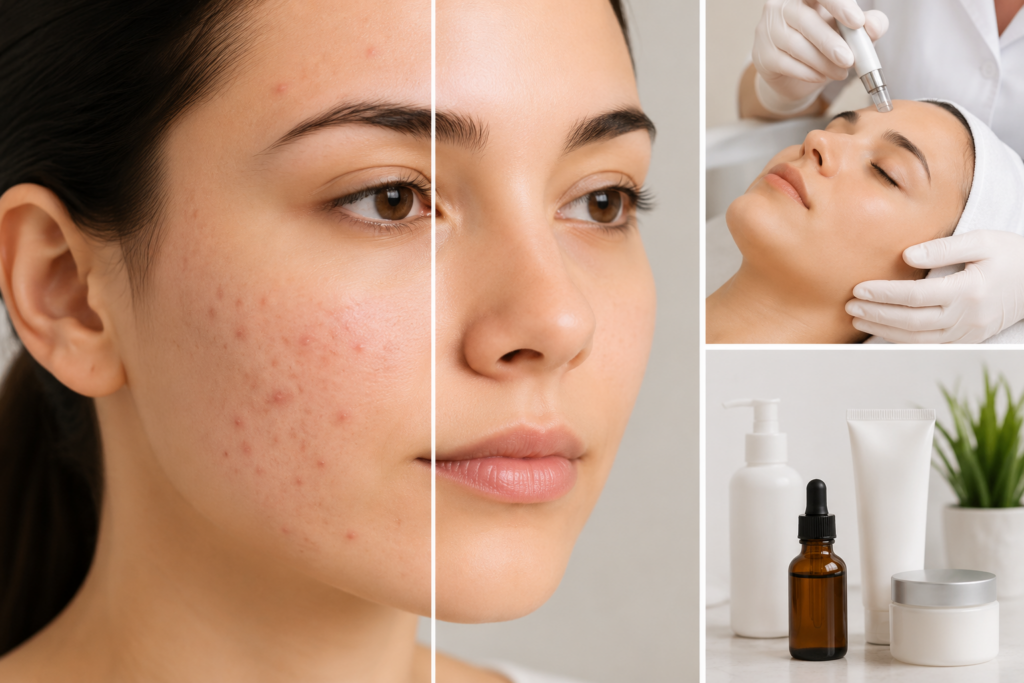
- Chemical peels: Salicylic acid, glycolic acid, or TCA peels exfoliate the skin surface, unblock pores, reduce inflammation, and improve post-acne pigmentation. A course of peels combined with topical treatment produces excellent results for comedonal and mild-moderate inflammatory acne.
- Laser and light therapies: IPL (Intense Pulsed Light) and PDT (Photodynamic Therapy) target the bacteria and sebaceous glands responsible for acne, providing clinical improvement in active acne alongside improvement in texture and tone.
- Acne scar treatment: Once active acne is controlled, scar treatment can begin. Options include microneedling, fractional laser resurfacing, subcision, dermal fillers for depressed scars, and chemical peels for surface irregularities.
What Are the Most Effective Dermatology Treatments for Acne Available in Dubai?
For mild to moderate acne, a combination of prescription topical retinoid and antibiotic, combined with professional clinic treatments, typically produces excellent results within three to four months. For severe or cystic acne, isotretinoin is the most effective option available and can achieve lasting clearance. For acne scarring, fractional laser combined with microneedling delivers the most significant improvement in scar appearance.
Conclusion
Effective Acne treatment in Dubai is available for every type and severity of acne but the right treatment must be selected by a qualified Dermatologist in Dubai after a proper assessment. Zenlife Clinic’s dermatology team provides personalised acne treatment plans that address your specific acne type, skin type, and goals. Book your dermatology consultation at Zenlife Clinic today and start your journey to clearer, healthier skin.
